Regulatory Caps on Introductory Incentives and Their Ripple Effects on User Progression Through Tiered Reward Pathways in Sweden's Licensed Digital Gaming Sector
Paul Müller · Aug 25, 2026
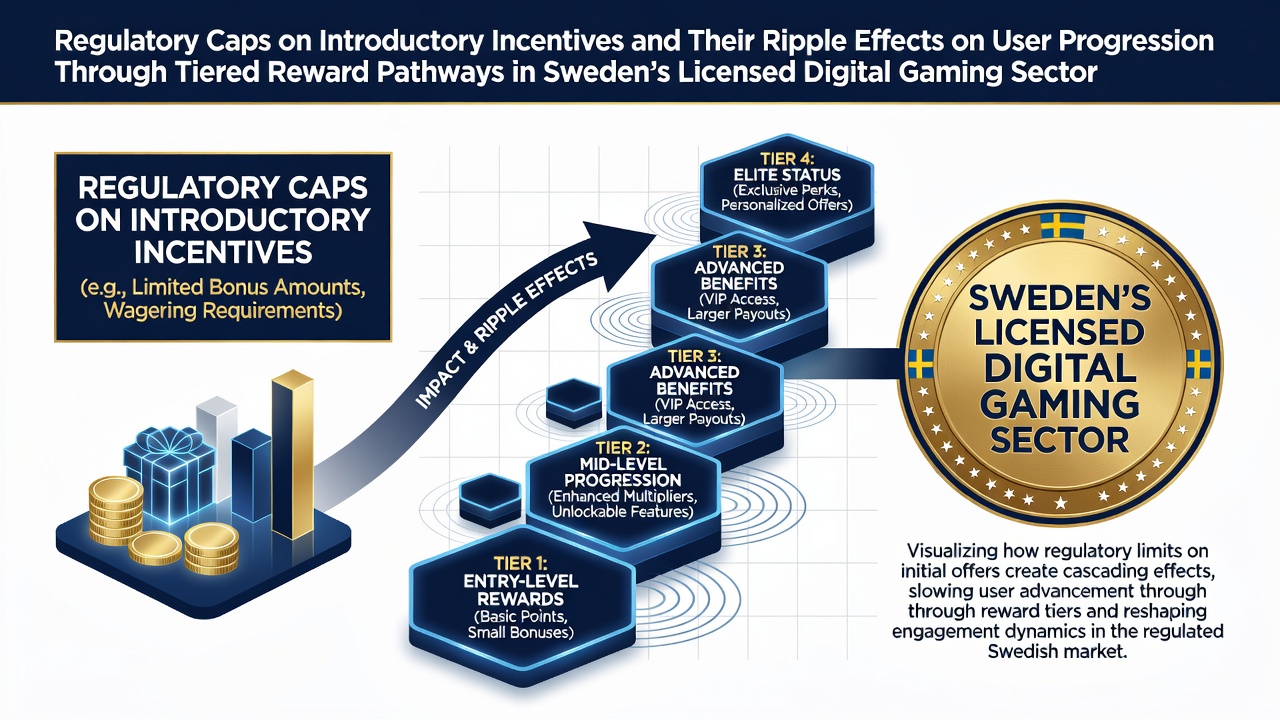
Regulatory Caps on Introductory Incentives and Their Ripple Effects on User Progression Through Tiered Reward Pathways in Sweden's Licensed Digital Gaming Sector
Sweden's licensed digital gaming sector operates under strict oversight from Spelinspektionen, the national gambling authority that enforces limits on introductory incentives to maintain market stability and player protection standards. These caps, introduced as part of the 2019 re-regulation and refined in subsequent updates, restrict welcome bonuses and deposit matches to predetermined maximum values, which in turn influences how new users advance through loyalty and reward tiers offered by licensed operators. Data from the authority shows that such measures have altered initial engagement patterns without eliminating tiered progression systems entirely.
Operators must comply with these introductory caps while still offering structured reward pathways that reward continued play through points accumulation, level unlocks, and exclusive features. Research indicates that the limits create a more gradual entry into higher tiers because users receive smaller starting boosts, which shifts reliance toward consistent activity metrics rather than one-time sign-up rewards. According to Spelinspektionen guidelines, the framework aims to balance commercial interests with responsible gaming requirements across all licensed platforms.
Background on Swedish Regulatory Measures
Licensed operators in Sweden face annual reporting obligations that track both introductory offers and ongoing loyalty mechanics, providing regulators with visibility into how caps affect user behavior over time. Figures reveal that many platforms adjusted their tier structures after the caps took hold, introducing more granular point systems to compensate for reduced initial incentives. This adaptation allows players to progress based on volume of play and session frequency, elements that remain outside the scope of introductory restrictions.
What's interesting here is the way these rules interact with broader EU-aligned consumer protections while maintaining Sweden-specific enforcement. Observers note that similar approaches appear in other Nordic markets, yet Sweden's model emphasizes transparency in how reward pathways communicate eligibility and progression criteria to users from the outset.
Effects on Introductory Incentives
Caps on welcome bonuses have prompted operators to redesign entry-level offers around free spins or risk-free bets with fixed upper limits, rather than percentage-based deposit matches that previously accelerated early progression. This change means new users often start at lower loyalty tiers and must meet playthrough thresholds over multiple sessions before unlocking enhanced rewards. Studies from Nordic research institutions confirm that such adjustments extend the time required to reach mid-level tiers by an average of several weeks compared to pre-cap periods.
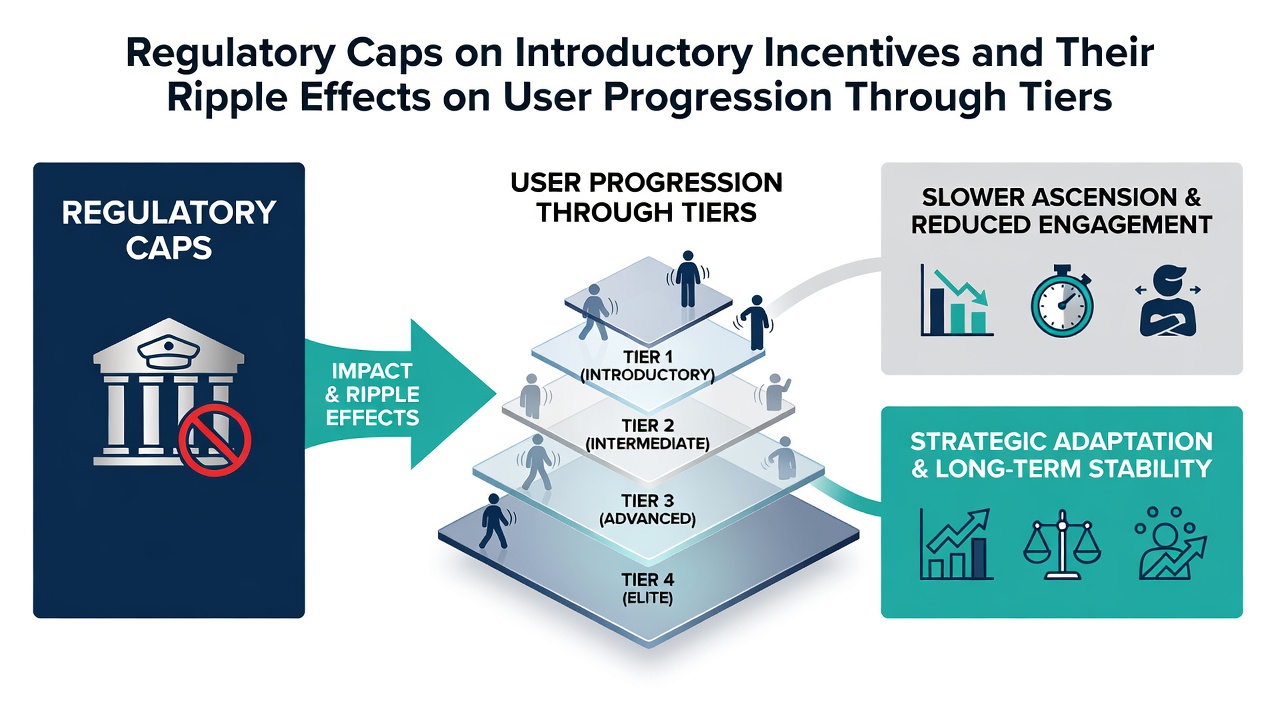
Yet the regulatory environment permits flexibility in how operators structure ongoing incentives once users move beyond the introductory phase, which preserves the appeal of tiered systems. Those who have examined compliance reports find that platforms increasingly highlight long-term benefits such as personalized cashback and tournament access to offset the slower start. In August 2026, scheduled reviews of these caps may introduce further refinements based on accumulated player data, potentially affecting progression speeds in subsequent years.
Ripple Effects on Tiered Reward Pathways
Tiered reward systems in Sweden's licensed sector typically feature multiple levels where benefits scale with accumulated points derived from real-money wagers across casino and betting products. Regulatory caps on introductory incentives reduce the initial point influx from sign-up bonuses, compelling users to generate points through regular activity to advance. This dynamic has led some operators to recalibrate point-earning rates in lower tiers to encourage sustained participation without violating overall incentive rules.
Evidence from industry analyses shows that retention in early tiers remains stable because players adapt by focusing on gameplay volume rather than bonus size, while higher tiers continue to deliver value through exclusive events and accelerated rewards. Researchers at institutions like the University of Gothenburg have documented shifts in user progression timelines that correlate with the introduction of these caps, noting longer average stays in foundational levels before upgrades occur.
Operators respond by integrating clearer communication about how daily play contributes to tier advancement, which helps maintain engagement despite smaller starting incentives. Data indicates that this transparency requirement, embedded in licensing conditions, supports informed decision-making and reduces abrupt drops in activity after the introductory period ends.
Conclusion
Regulatory caps on introductory incentives continue to shape user progression through tiered reward pathways in Sweden's licensed digital gaming sector by extending the timeline for reaching advanced levels while preserving the viability of loyalty structures. Licensed operators adapt through adjusted point systems and enhanced ongoing benefits, with ongoing data collection informing potential adjustments such as those anticipated around August 2026. These measures reflect a sustained regulatory focus on controlled market entry paired with opportunities for long-term user development within compliant frameworks.