How Point Accumulation Systems Shape Access to Exclusive Slot Tournaments Among Regulated Nordic Operators
Jordan Becker · Aug 20, 2026
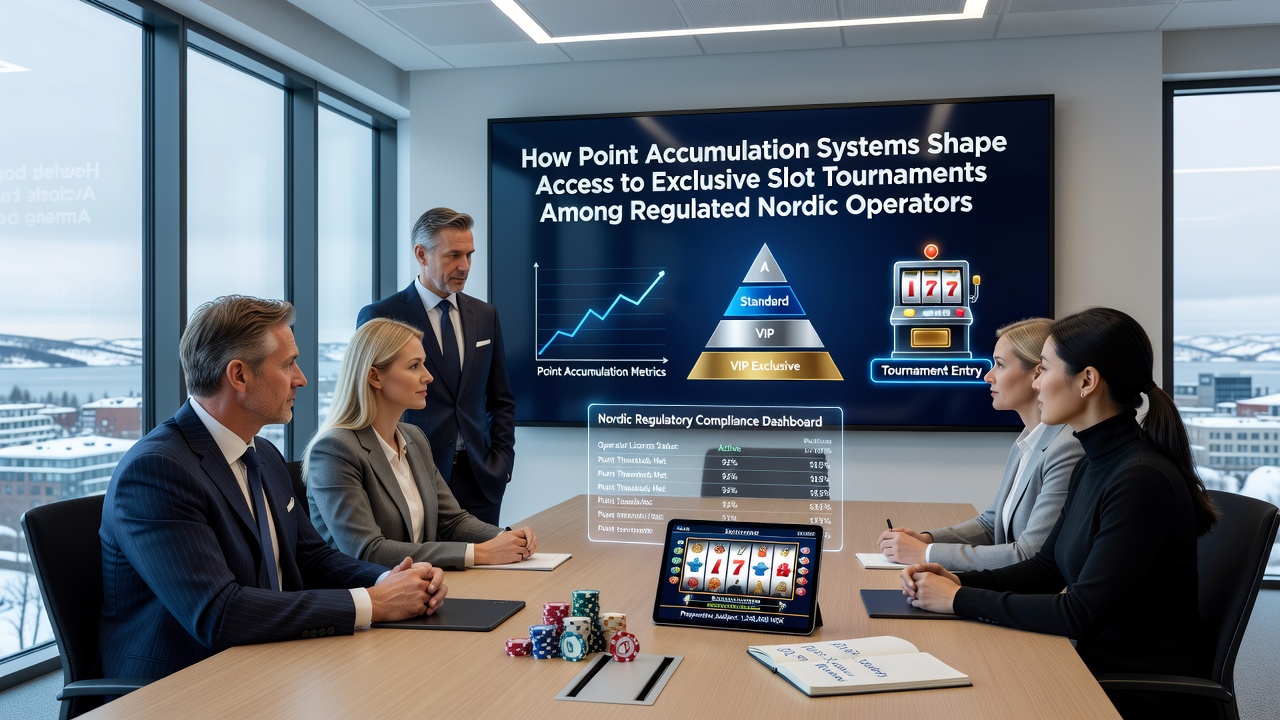
How Point Accumulation Systems Shape Access to Exclusive Slot Tournaments Among Regulated Nordic Operators
Point accumulation systems operate as the primary mechanism through which regulated operators in Sweden, Denmark, Norway and Finland determine eligibility for exclusive slot tournaments, and these frameworks tie directly to player activity levels across licensed platforms. Operators track deposits, wager volumes and session frequency to award points that unlock higher tiers, while each tier grants entry to events with larger prize pools and restricted participant lists.
Swedish operators licensed by Spelinspektionen integrate these systems into their loyalty programs so that points convert into tournament invitations once thresholds are met, and similar structures appear in Danish and Norwegian markets where regulators require transparent rules for all promotional access. Data from the Danish Gambling Authority shows that players reaching mid-tier status participate in an average of four exclusive events per quarter, whereas lower-tier accounts remain limited to open-entry competitions.
Mechanics of Point Collection and Tier Progression
Accumulation begins with base points earned on every wager placed in slot games, yet multipliers apply when players complete daily login streaks or deposit during promotional windows, and the resulting totals feed into tier ladders that operators refresh monthly. Higher tiers typically demand sustained monthly activity rather than one-time spikes, which means consistent engagement determines long-term access rather than isolated high-volume sessions.
Regulated platforms publish exact conversion tables so that one thousand points might equal bronze status while twenty-five thousand points reach platinum, and these tables must remain available to players at all times under Nordic licensing conditions. Observers note that the requirement for visible progression paths reduces disputes and aligns with broader consumer protection standards enforced across the region.
Tournament Qualification Pathways
Exclusive tournaments often reserve 60 to 80 percent of seats for players who hold gold or platinum status, while the remaining spots open through random draws or separate leaderboards, and this split ensures that high-volume participants receive priority without completely excluding newer accounts. Qualification periods usually run for four to six weeks, after which point balances reset or carry over depending on the operator's published policy.

Operators publish results and payout distributions after each event, allowing participants to verify that only eligible accounts competed, and regulatory audits examine these records to confirm compliance with fairness rules. In August 2026, several major Nordic platforms plan to introduce unified point portability pilots that would let players transfer accumulated balances when switching between licensed operators within the same corporate group, provided consent and verification steps are completed.
Regulatory Oversight Across Nordic Jurisdictions
Each Nordic country maintains distinct licensing regimes that nevertheless share core requirements for promotional transparency, and point-based tournament access falls under these rules because it constitutes a form of player reward. The Norwegian Lotteri- og stiftelsestilsynet requires operators to demonstrate that point systems do not encourage excessive play, while Finnish authorities focus on ensuring minors cannot access tiered benefits through any linked accounts.
Studies from the European Commission gambling research portal indicate that clear tier structures correlate with higher reported satisfaction among frequent players, yet the same data also shows increased session lengths once exclusive events become attainable. Regulators therefore monitor average playtime metrics alongside point accrual rates to identify potential risk patterns.
Player Behavior Patterns and Market Data
Research indicates that players who reach elite tiers tend to concentrate wagers on a narrower set of high-return slots to maximize point efficiency, whereas casual participants spread activity more evenly across game libraries. Market reports compiled by the Nordic iGaming trade association reveal that exclusive tournament prize pools have grown 18 percent year-over-year in licensed markets, driven largely by increased participation from mid-tier accounts.
Operators adjust point-earning rates seasonally to balance engagement with responsible gaming targets, and these adjustments require advance notification to both players and regulators. The result is a dynamic environment where qualification criteria evolve in response to aggregate player data rather than remaining static across calendar years.
Conclusion
Point accumulation systems continue to define tournament access for regulated Nordic slot players by converting measurable activity into tiered privileges, and the same frameworks remain subject to ongoing regulatory scrutiny that emphasizes transparency and fairness. As operators prepare adjustments scheduled for August 2026, the core relationship between sustained engagement and exclusive event entry shows no sign of fundamental change across the licensed markets.