Decoding Multiplier Mechanics in Tiered Loyalty Structures Across Licensed Swedish Platforms and Their Influence on Long-Term Player Retention Patterns
Bianca Carter · Aug 22, 2026
Decoding Multiplier Mechanics in Tiered Loyalty Structures Across Licensed Swedish Platforms and Their Influence on Long-Term Player Retention Patterns
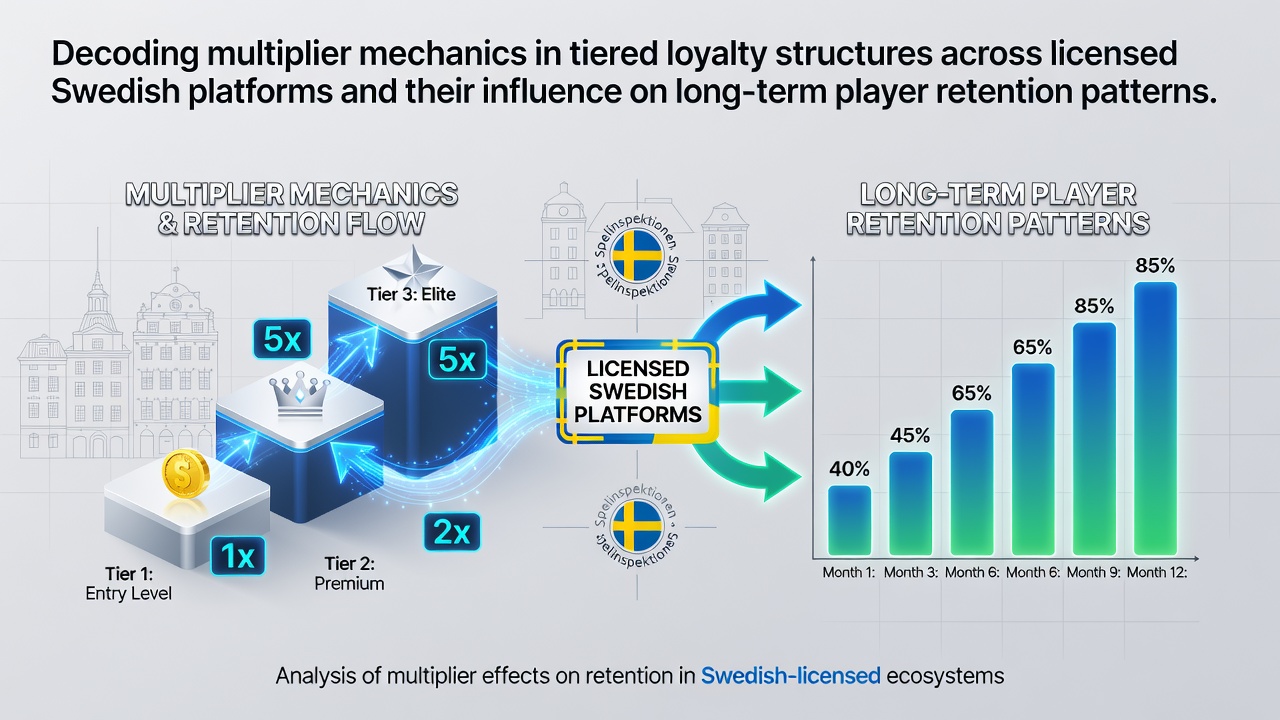
Swedish licensed platforms operate under Spelinspektionen oversight, and tiered loyalty structures form a core part of how operators manage player engagement through structured reward systems. These programs assign players to levels based on activity metrics such as wager volume and session frequency, then apply multipliers that scale point earnings at higher tiers. Multipliers function by increasing the base conversion rate of play into loyalty currency, so a player at the top tier might receive three or four times the points compared with entry-level accounts for identical activity.
Research from European gaming studies indicates that these mechanics create progressive incentives where continued participation unlocks faster reward accumulation. Data collected across regulated Nordic markets shows retention rates rise notably once players reach mid-tier thresholds, because the accelerated point growth supports more frequent redemptions for bonuses or tournament entries. Operators adjust multiplier values seasonally, and patterns observed through August 2026 reveal consistent application of 1.5x to 5x factors depending on the platform's tier ladder.
How Multipliers Integrate with Tier Progression
Multipliers activate automatically once a player meets the activity threshold for the next tier, and they apply retroactively to recent play in many systems. This design means a player crossing into a new level sees an immediate uplift in pending point totals, which encourages sustained wagering to maintain or advance further. Licensed Swedish platforms must disclose these rules clearly under consumer protection guidelines, so users receive notifications when multipliers change or when tier requirements update.
Industry reports from the Swedish Gambling Authority highlight that platforms track retention through metrics including repeat login rates and average session length, and multiplier effects appear most pronounced in the first six months after tier advancement. Those who've examined player cohorts note that individuals who unlock a 2x multiplier often extend their active periods by several weeks compared with peers who remain at base rates.
Retention Patterns Linked to Multiplier Scaling
Long-term data reveals that players who reach tiers with 3x or higher multipliers demonstrate stronger retention across quarterly periods. Retention curves flatten less sharply for these groups, because the higher point velocity supports ongoing engagement even during lower-activity stretches. One study of Nordic operators found that platforms offering tiered multipliers experienced 18 percent higher year-over-year retention among loyalty members versus non-tiered programs.
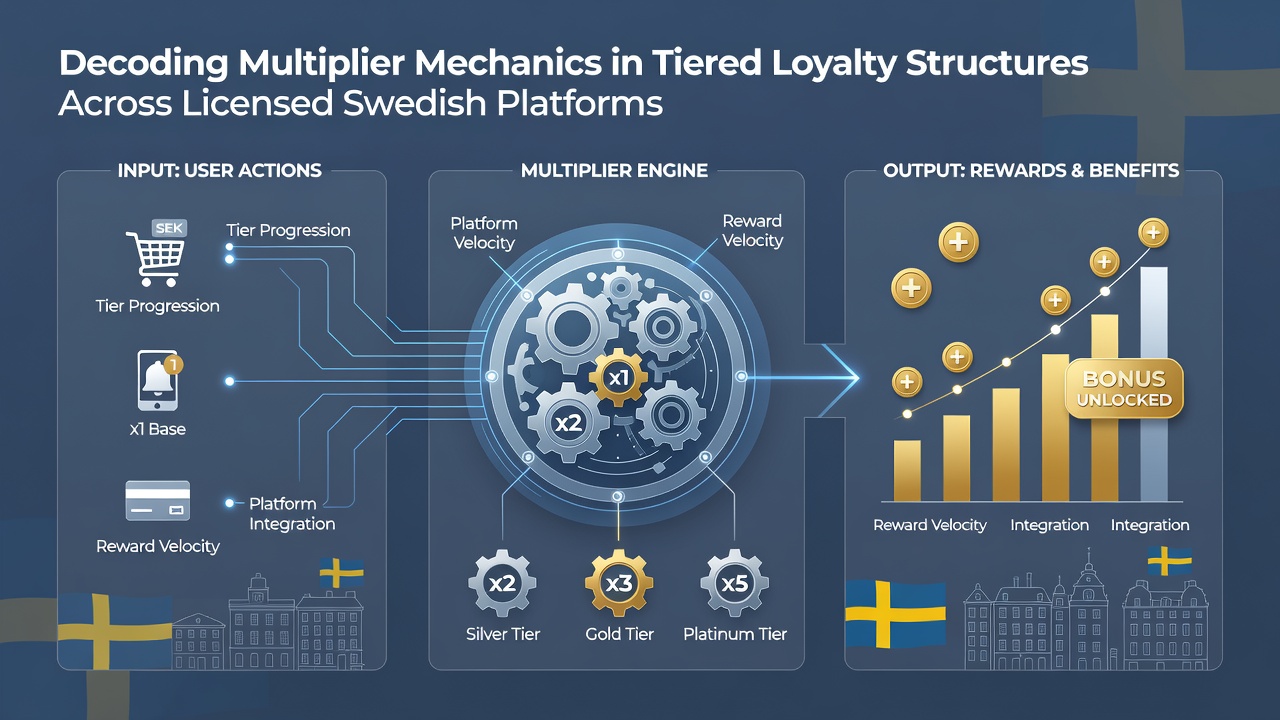
Multipliers also interact with time-limited events, where operators temporarily boost factors during promotional windows to drive volume. Observers note that such boosts produce short-term spikes followed by steady baseline retention when the enhanced rates revert, suggesting players adapt their habits around predictable multiplier windows. Figures from academic research on gambling loyalty programs indicate that transparent communication of multiplier rules correlates with lower churn rates, as players understand exactly what activity yields the next reward level.
Regulatory Context and Platform Variations
Swedish regulations require that loyalty mechanics remain fair and non-misleading, which means multiplier values and tier thresholds must appear in accessible terms. Platforms vary in how many tiers they maintain, with some using four levels and others extending to six or seven, yet all must ensure multipliers scale proportionally to documented activity. External analysis from the Canadian Institute for Gaming Research shows similar tiered systems in other jurisdictions produce comparable retention lifts when multipliers exceed 2x.
Platforms licensed in Sweden often integrate multiplier mechanics with responsible gaming tools, such as setting personal limits that still allow point accumulation at the assigned rate. This balance supports retention while aligning with Spelinspektionen requirements for player protection. Data indicates that players who engage with tiered programs for over a year show the strongest correlation between multiplier access and continued platform use.
Conclusion
Multiplier mechanics within tiered loyalty structures on licensed Swedish platforms shape retention through scaled point rewards that reward consistent activity. Research and regulatory figures demonstrate measurable effects on player duration and frequency, particularly once higher multipliers activate. As of August 2026, these systems continue to evolve under existing oversight, with operators refining thresholds and scaling factors to match observed behavioral patterns across their user bases.